Managing Your Elderly Parents’ Medical Records: A Caregiver’s Guide
December 8, 2025 Delara Mirdamadi

Caring for aging parents is one of the most meaningful—and demanding—roles you can take on. From coordinating appointments and managing medications to navigating insurance and specialists, it’s a full-time job wrapped around your already full life.
One of the biggest challenges caregivers face? Keeping track of all the medical records.
That’s where myDox comes in. It simplifies the complex and gives caregivers one secure place to store, organize, and access medical records—so you can focus more on caring, and less on paperwork.
Here’s your guide to managing your elderly parents’ health information with less stress and a lot more confidence.
1. Why Medical Record Management Is So Important for Caregivers
As your parents age, their medical needs tend to multiply—more doctors, more medications, more appointments, more forms.
- You need quick access to health histories, medications, allergies, and diagnoses
- You may need to advocate for your parent’s wishes in a medical emergency
- You’re often asked to provide documentation during appointments, insurance claims, or hospital check-ins
Example: Your dad lands in the ER, and the doctor asks for a list of his current medications. With myDox, you pull up his med list and send it to the care team in seconds—no scrambling, no guesswork.
2. What Medical Documents You Should Be Keeping Track Of
Think of this as your caregiver’s cheat sheet—these are the core documents you should store for each parent:
Essential Health Records:
- Medical history summaries
- Medication lists and dosage schedules
- Allergy information
- Diagnosis and treatment plans for chronic conditions
- Lab results and imaging reports
- Surgical records and hospital discharge papers
- Vaccination history
- Specialist referral letters
Care & Legal Documents:
- Health insurance cards and policy information
- Medicare or Medicaid ID cards
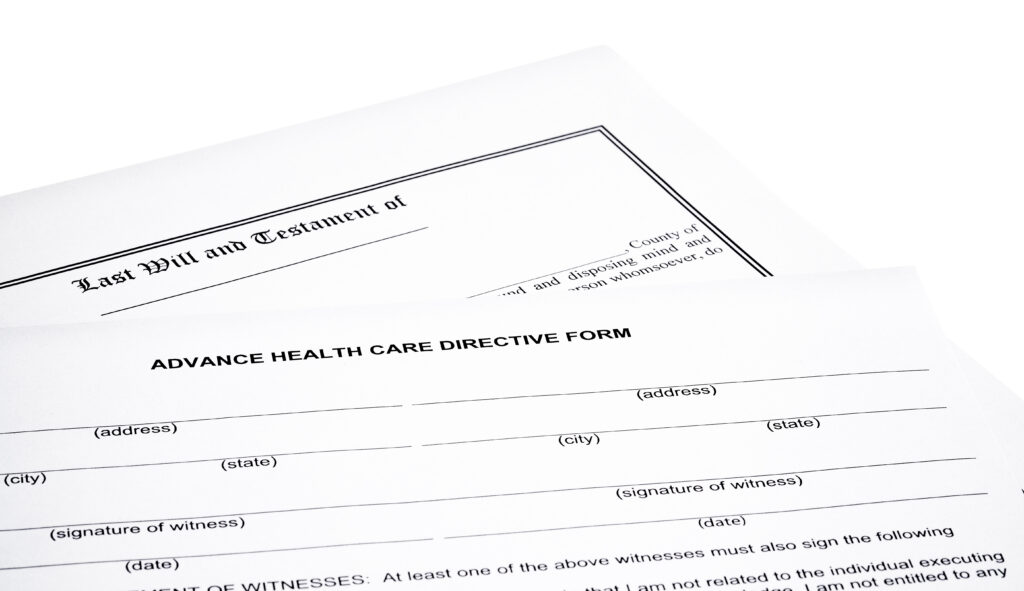
- Advance directives and living wills
- Medical power of attorney (POA)
- Emergency contact list
- Long-term care or assisted living agreements
Pro Tip: In myDox, create a separate folder for each parent and use subfolders like “Medications,” “Insurance,” “Specialists,” and “Legal.” It keeps everything organized—and easy to find when you’re on the go.
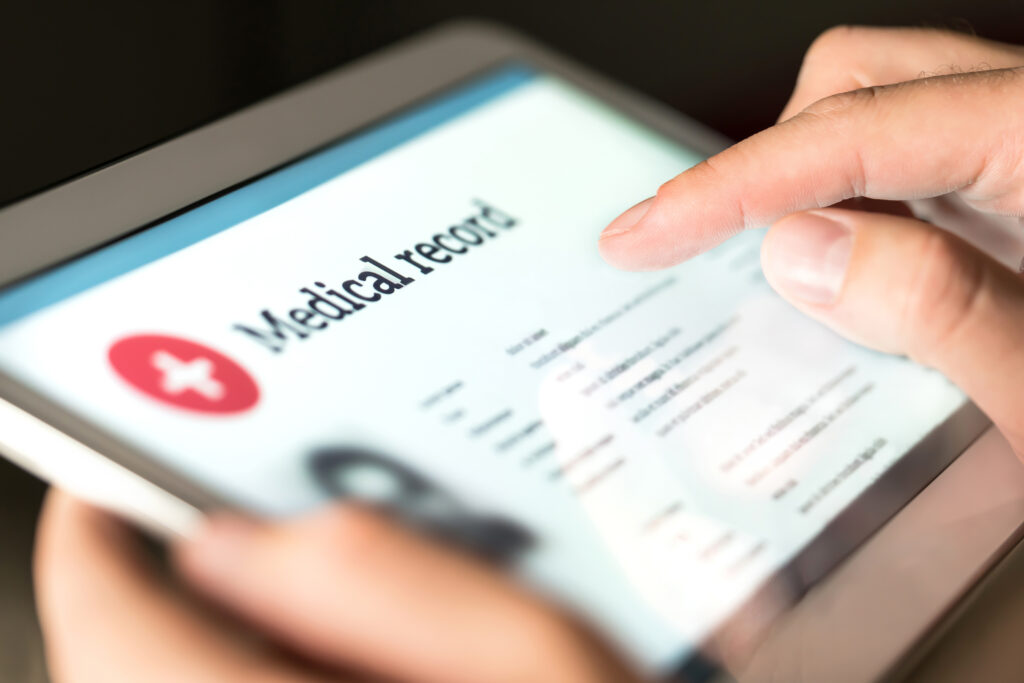
3. Access Records Instantly—Anytime, Anywhere
Caregiving rarely happens on a 9-to-5 schedule. You need access to documents at the pharmacy, in waiting rooms, or in the middle of the night.
- Pull up your parent’s insurance card at the doctor’s office
- Retrieve their vaccination record when checking into a new care facility
- Access past test results when meeting a new specialist
Example: Your mom is seeing a new cardiologist who needs her most recent EKG results. You open myDox and send the document from your phone while sitting in the waiting room. No stress, no delay.
4. Share Records with Providers or Family—Securely
Sometimes you need to loop in siblings, doctors, or caregivers. With myDox, sharing is simple—and safe.
- Send a secure link or create a PIN-protected access code
- Share only the documents you choose
- Revoke access anytime
Example: Your sister takes your dad to his appointment while you’re at work. You send her access to his medication list and lab results through myDox so she can answer questions confidently.
5. Keep Everyone in the Loop Without Losing Control
Managing care is often a team effort, but it shouldn’t come at the cost of disorganization or lost paperwork.
With myDox, you can:
- Keep all authorized family members informed
- Avoid duplication of efforts (no more “Did you call the doctor?” texts)
- Centralize communication and reduce stress
Pro Tip: Designate a primary caregiver as the document owner in myDox, and share access with others as needed—so everyone has the latest info, but you’re still in control.
6. Plan Ahead with Confidence
Health needs evolve, and so should your records. With myDox, it’s easy to:
- Set reminders for upcoming appointments or document reviews
- Update medication changes after each doctor visit
- Keep advance directives and POA documents current and accessible
Example: You’ve updated your dad’s living will and need to make sure his care team has it. You upload the new version to myDox and revoke access to the outdated copy—no confusion, no mix-ups.
Final Thoughts: Empower Your Role as a Caregiver
Caring for your elderly parents is an act of love—but it’s also a lot to manage. With myDox, you can:
- Store and organize all their medical records in one secure place
- Access and share documents instantly—no matter where you are
- Coordinate with doctors, family, and care teams seamlessly
- Be prepared for emergencies, appointments, or transitions
You’re not just managing paperwork—you’re managing peace of mind. Let myDox help you be the caregiver your parents can count on.