The Must-Have Documents for Estate Planning If You Own Property Copy
September 29, 2025 Delara Mirdamadi

Owning property is a major milestone—and a major responsibility. Whether it’s your primary residence, a vacation home, or an investment property, it’s not just about having your name on the title. It’s about planning for what happens to that property in the future.
Estate planning becomes especially important when real estate is involved. Without the right documents in place, your loved ones could face costly delays, legal confusion, or even lose access to property you intended to leave them.
Here’s a clear guide to the must-have documents every property owner should include in their estate plan—and how myDox can help you keep them organized, accessible, and protected.
1. Property Title & Deed
This is the core legal document that proves ownership of your property. If something happens to you, your family or executor will need the deed to:
- Transfer ownership
- Sell the property
- Prove rightful possession
Why It Matters:
Without a copy of the title or deed, your heirs may face delays in probate—or worse, disputes about who legally owns the home.
Pro Tip: Upload a digital copy of each title or deed to myDox, organized by property address. You can even tag them as “primary residence,” “rental,” or “vacation home.”
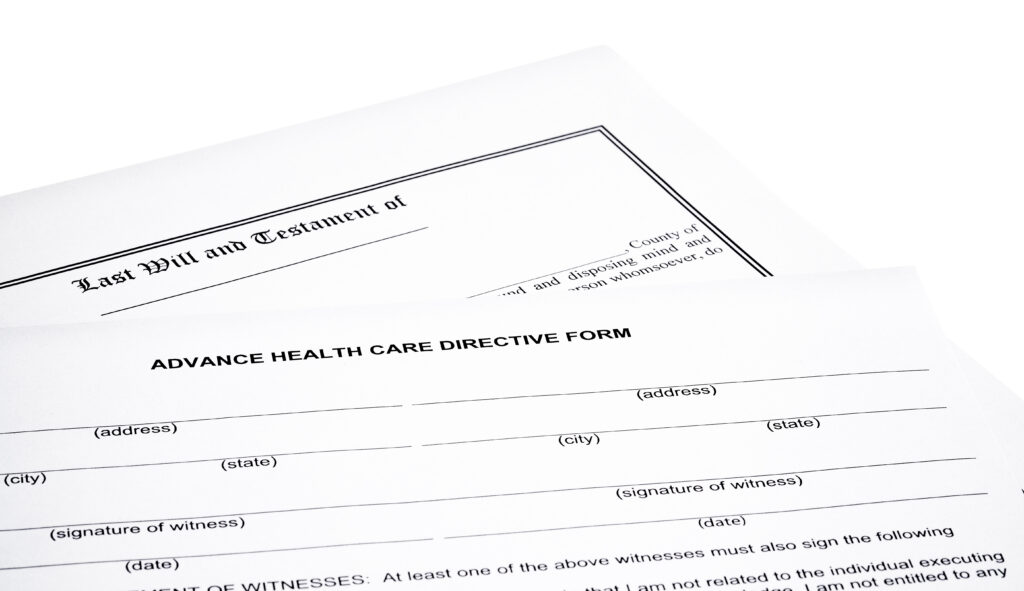
2. A Will (That Clearly Addresses Real Estate)
A will is your opportunity to clearly outline who inherits your property and under what conditions.
- Name your heirs
- Appoint an executor
- Avoid family disputes
Why It Matters:
If you pass away without a will (or if your will doesn’t mention your real estate), the court decides who inherits your property—which may not reflect your wishes.
Example: You want your adult daughter to inherit your house, not your estranged sibling. Without a will that spells this out, the decision may be left to probate law.
3. A Living Trust (Optional—but Highly Recommended)
Unlike a will, a living trust allows property to be transferred to heirs without going through probate, which can be long, expensive, and public.
- Avoid probate
- Maintain privacy
- Transfer assets efficiently
Why It Matters:
Placing your property into a trust ensures a smooth transition of ownership and faster access for your heirs.
Pro Tip: Store your trust documents and any trust transfer deeds in myDox under a dedicated “Trusts” folder for quick reference.
4. Power of Attorney (POA)
A power of attorney gives someone legal authority to act on your behalf if you’re unable to do so—especially important for managing real estate during illness or incapacity.
- Authorize someone to pay your mortgage, manage tenants, or sell property
- Avoid legal hurdles in emergencies
Why It Matters:
If you become incapacitated and don’t have a POA, your family may need to go to court just to handle property-related tasks.
Example: You’re unexpectedly hospitalized. Your spouse needs to access mortgage records and manage repairs—but can’t without POA. With it stored in myDox, they can access and present the document in seconds.
5. Property Tax Records
Keeping your property tax statements organized can help your heirs:
- Budget for expenses
- Set up automatic payments
- Prepare for property ownership transfers
Why It Matters:
Unpaid property taxes can lead to penalties—or even foreclosure. Clear documentation ensures your loved ones can step in quickly if needed.
Pro Tip: Create a “Property Taxes” folder in myDox for each home and update it annually.
6. Mortgage & Loan Documents
If you still owe money on your property, your mortgage documents and payoff details are essential for whoever inherits your home.
- Clarify balances and monthly payments
- Determine equity
- Prevent missed payments or default
Why It Matters:
Many people assume a home is paid off, only to discover a mortgage or lien after the fact. Keeping this information stored and accessible removes the guesswork.
Example: Your child inherits your home, but the mortgage still has five years left. With documents stored in myDox, they can view the loan balance and make informed financial decisions.
7. Homeowners Insurance Policy
Your heirs or executor will need to know what coverage exists and how to keep it current while the estate is being settled.
- Ensure continued protection for the property
- File claims if damage occurs after your passing
- Avoid lapses in coverage
Why It Matters:
An empty home can be a target for theft or weather damage—insurance coverage must stay active through the transition.
Pro Tip: Store your current insurance policy in myDox and add the agent’s contact info in case quick action is needed.
8. List of Property Assets & Upgrades
Create a record of valuable items or renovations that add to the property’s value:
- Kitchen remodels
- New HVAC system
- Energy-efficient upgrades
- Landscaping or pool installations
Why It Matters:
This documentation can help determine property value, justify asking prices, or support insurance claims.
Example: If your heirs plan to sell the home, your records can help them get top dollar—especially with photos, receipts, and warranties stored in myDox.
How myDox Makes Estate Planning Easier for Property Owners
Keeping all of these documents in one place is essential—especially during high-stress situations. With myDox, you can:
- Store everything securely, from deeds to tax records
- Organize documents by property or document type
- Share access with family, attorneys, or executors securely
- Revoke or update access anytime
- Access everything instantly—no matter where you are
Owning property is a big deal. Protect your legacy, ease the burden on your family, and make smart estate planning decisions with myDox by your side.
Home OwnershipSmart InvestingReal EstateProperty OwnersEstate PlanningProtect Your Assets